The home for Western Interior Seaway research
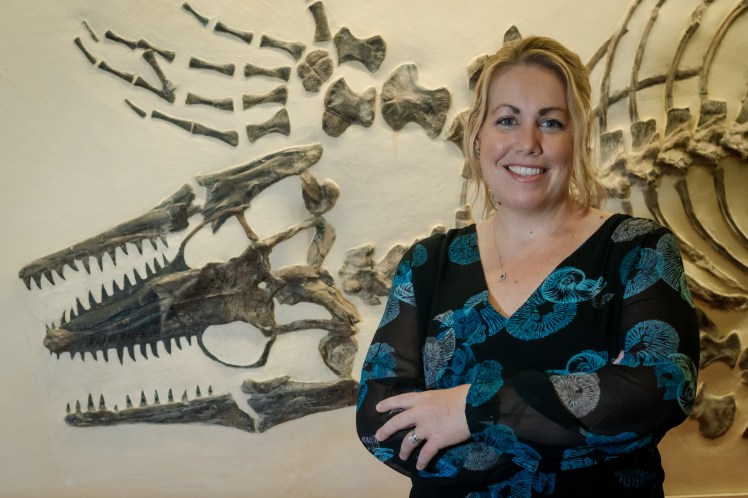
The Wilson Paleontology Research Group started when I was working full-time for Fort Hays State University with a split position in the Department of Geosciences and Sternberg Museum of Natural History. My students and I work on diverse research that explores the paleobiology of a variety of animals using an array of tools, but the common goal is to better understand the organisms and ecology of the Western Interior Seaway of North America. The Western Interior Seaway covered central North America, stretching from the Arctic to the equator during the Late Cretaceous (100-66 million years ago). This seaway played host to a variety of fishes, marine reptiles, sea birds, and pterosaurs.
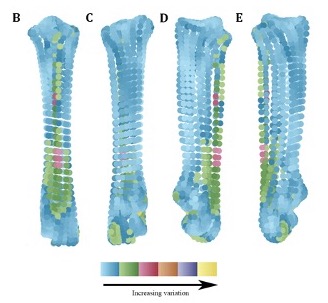
Research projects span vertebrate and invertebrate paleontology to explore the paleoecology, life history, biomechanics, taphonomy, and growth dynamics of animals that lived in the Seaway. We employ tools such as osteohistology, geometric morphometrics, comparative anatomy, functional morphology, and ecological niche modeling. Much of our research also involves comparisons to extant animals and ecosystems.
Although I am no longer a professor and curator, I still work with students, museums, researchers, authors, and avocational paleontologists. Ongoing paleontology research contributes to our understanding of the Western Interior Seaway and use the evolution of warm Cretaceous ecosystems as a model for future climate change.

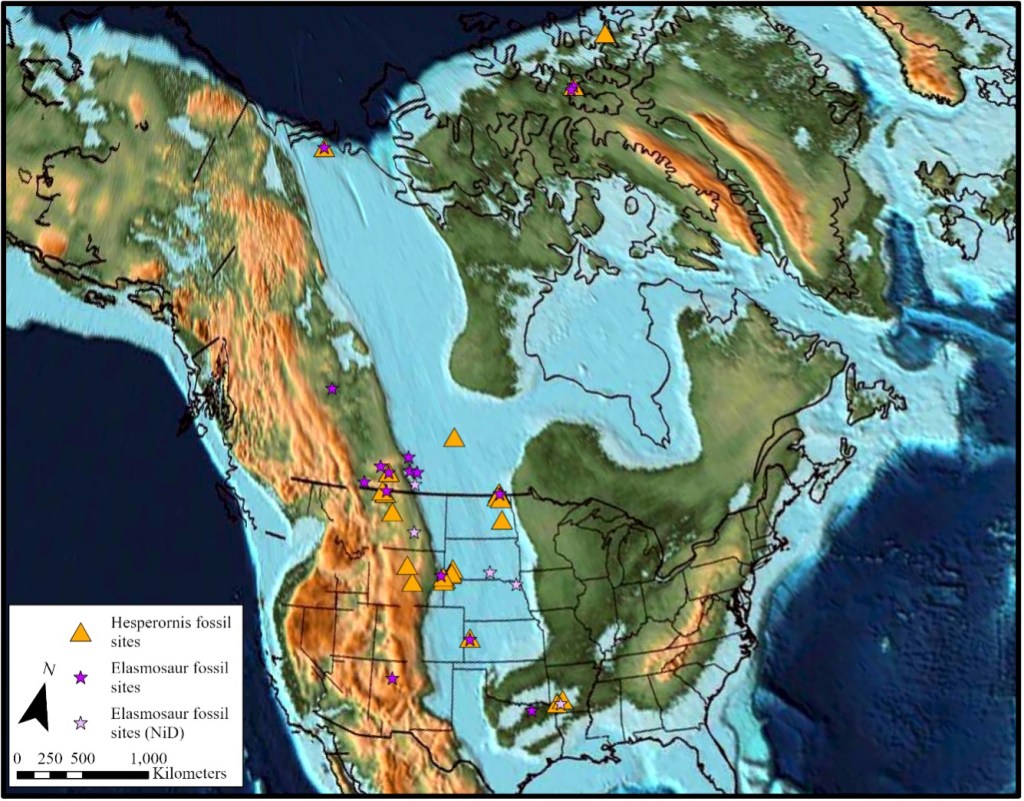
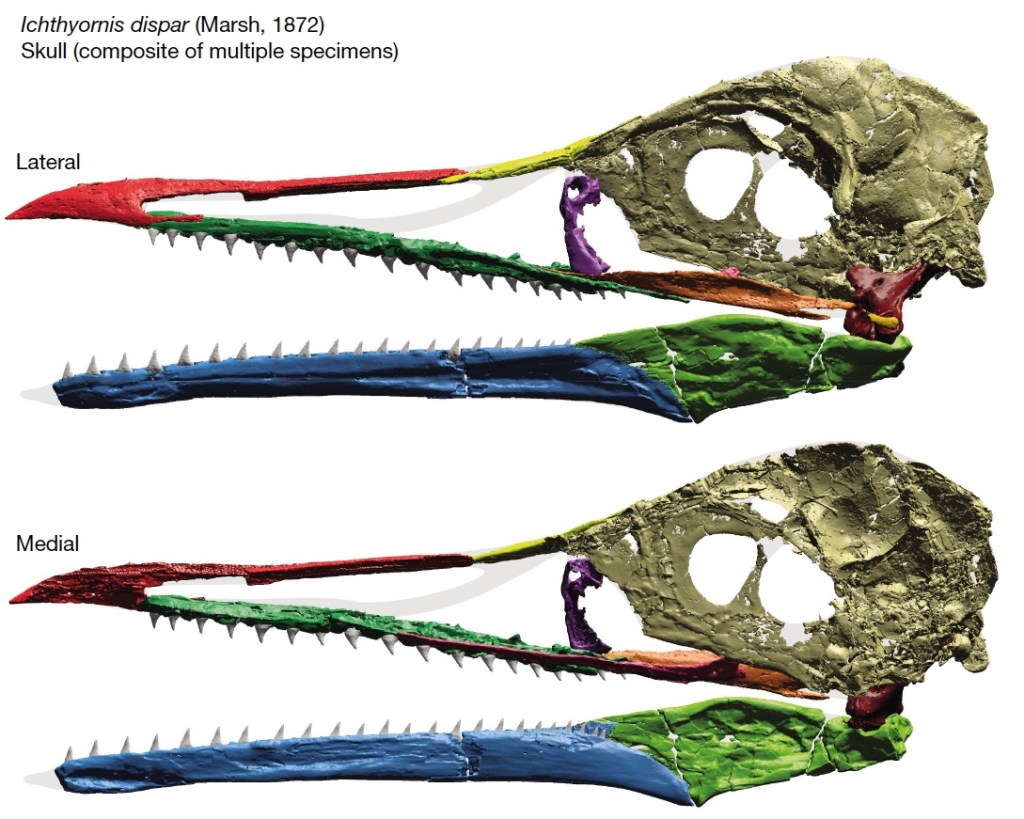
Before the dinosaur extinction lived birds with teeth.
Birds are dinosaurs. Because the ancestors of all birds were dinosaurs, living birds still have many dinosaurian characters like feathers, three-fingered hands, modified wrist bones, and incubating eggs on nests. Birds (also referred to as avian dinosaurs by paleontologists) that lived alongside (non-avian) dinosaurs had even more dinosaurian features. Like teeth. Although all toothed birds…

A Place in Conservation for Paleobiology
Conservation is at the forefront of many people’s minds – especially those working in natural history fields. Earth is in the midst of a major biodiversity crisis with extinction rates estimated between 1000 and 10,000 times background (“normal”) extinction rates (source: World Wildlife Fund). Unlike other mass extinction events like the one that decimated dinosaur…
Sea Turtles in Kansas?!
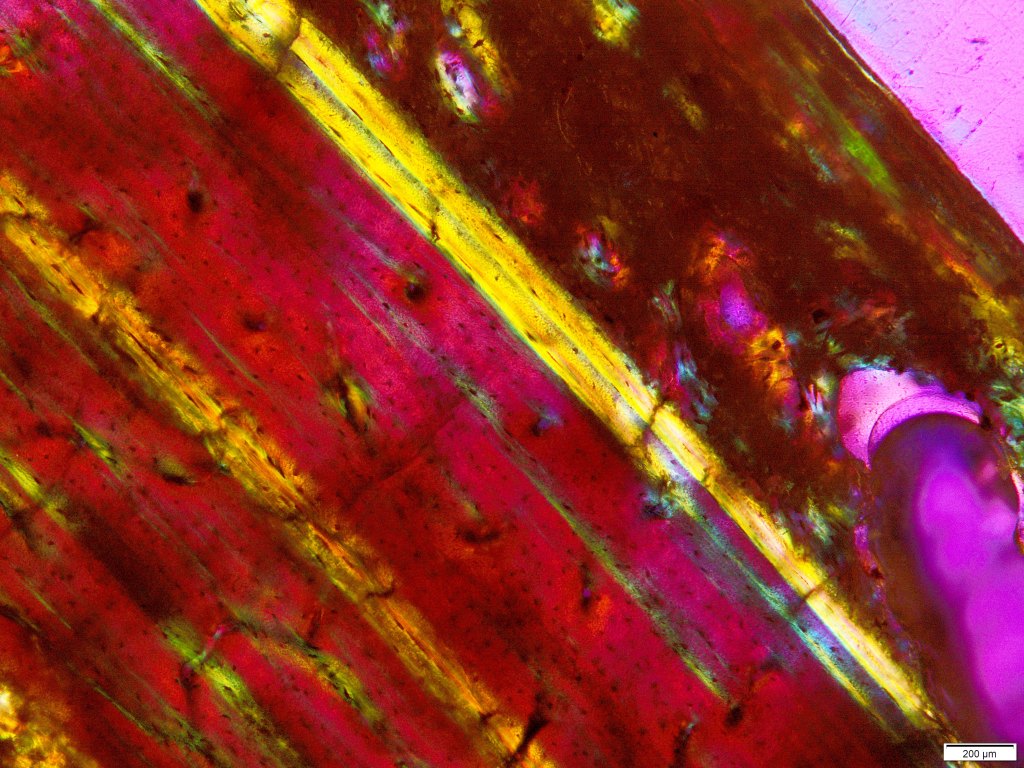
Protostega was a large sea turtle the lived in the ocean that covered Kansas and central North America 80 million years ago. New research by FHSU paleontologist Dr. Laura Wilson shows that the bone tissue microstructure (osteohistology) of Protostega reveals growth patterns similar to modern leatherback sea turtles (the largest sea turtles alive today) with…
 Laura E. Wilson, Ph.D.